

Swift, Humane Wildlife Removal Experts
We provide urgent, compassionate wildlife control to protect your home with humane, effective solutions that you can trust.

Compassionate Wildlife Control When You Need It Most
Explore our quick answers to common wildlife concerns for fast, reliable guidance.
How quickly can you respond to a wildlife emergency?
We prioritize rapid phone responses to ensure swift, effective animal control.
Do you use humane methods for wildlife removal?
Yes, all our services focus on ethical and safe animal management.
Can you handle animals inside my home?
Absolutely, we specialize in removing wildlife from indoor spaces safely.
What areas do you serve?
We provide urgent wildlife control services to homeowners throughout the region.
Expert Wildlife Control Services Delivered Fast
Explore our affordable service packages designed to offer humane and effective wildlife removal solutions tailored to your needs.

Rapid Response Assistance
Immediate intervention to safely remove wildlife threats, ensuring your home is protected without delay.
Humane Animal Handling
We prioritize ethical treatment, using proven methods to manage wildlife with care and respect.
Comprehensive Home Protection
Our thorough inspections identify potential wildlife issues before they escalate, keeping your property secure.

Inspection Fee
$99
Includes a thorough inspection of your property for common nuisance animals.
Experience Fast, Humane Wildlife Solutions
Discover how our expert team delivers swift, compassionate wildlife control tailored to protect your home and peace of mind.

Rapid Emergency Response
Our team prioritizes urgent calls, ensuring prompt arrival to safely resolve wildlife conflicts before they escalate.

Humane Animal Handling
Committed to ethical practices, we use non-lethal methods to protect both your property and the animals involved.

Comprehensive Wildlife Services
From inspection to exclusion, we provide expert solutions that prevent future intrusions and safeguard your home.
Common Nuisance Wildlife We Handle
Learn more about the behaviors and risks associated with skunks, raccoons, and squirrels in your area.
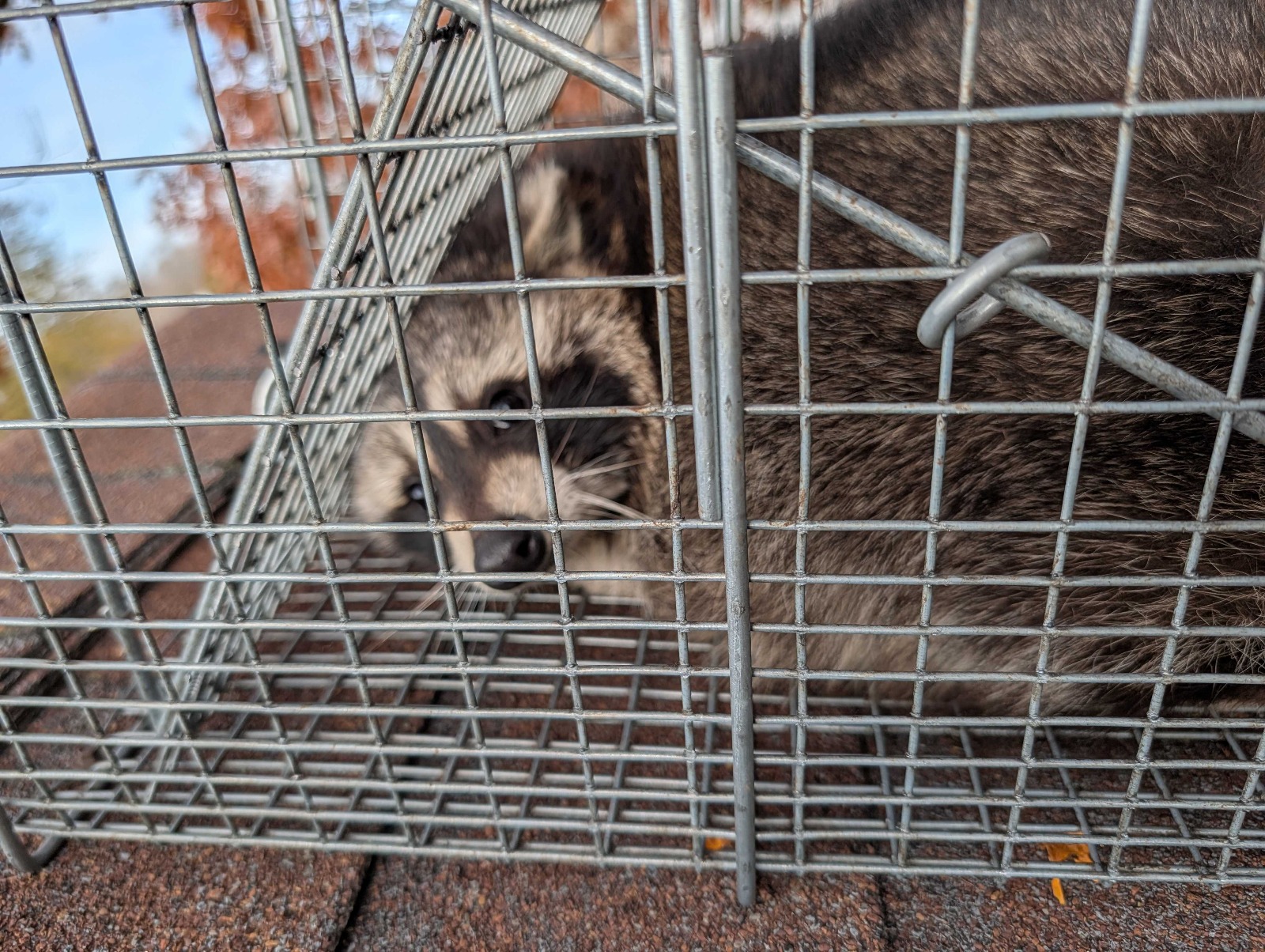
Skunks
Known for their strong odor, skunks often burrow under porches and sheds, causing structural damage and unpleasant smells.
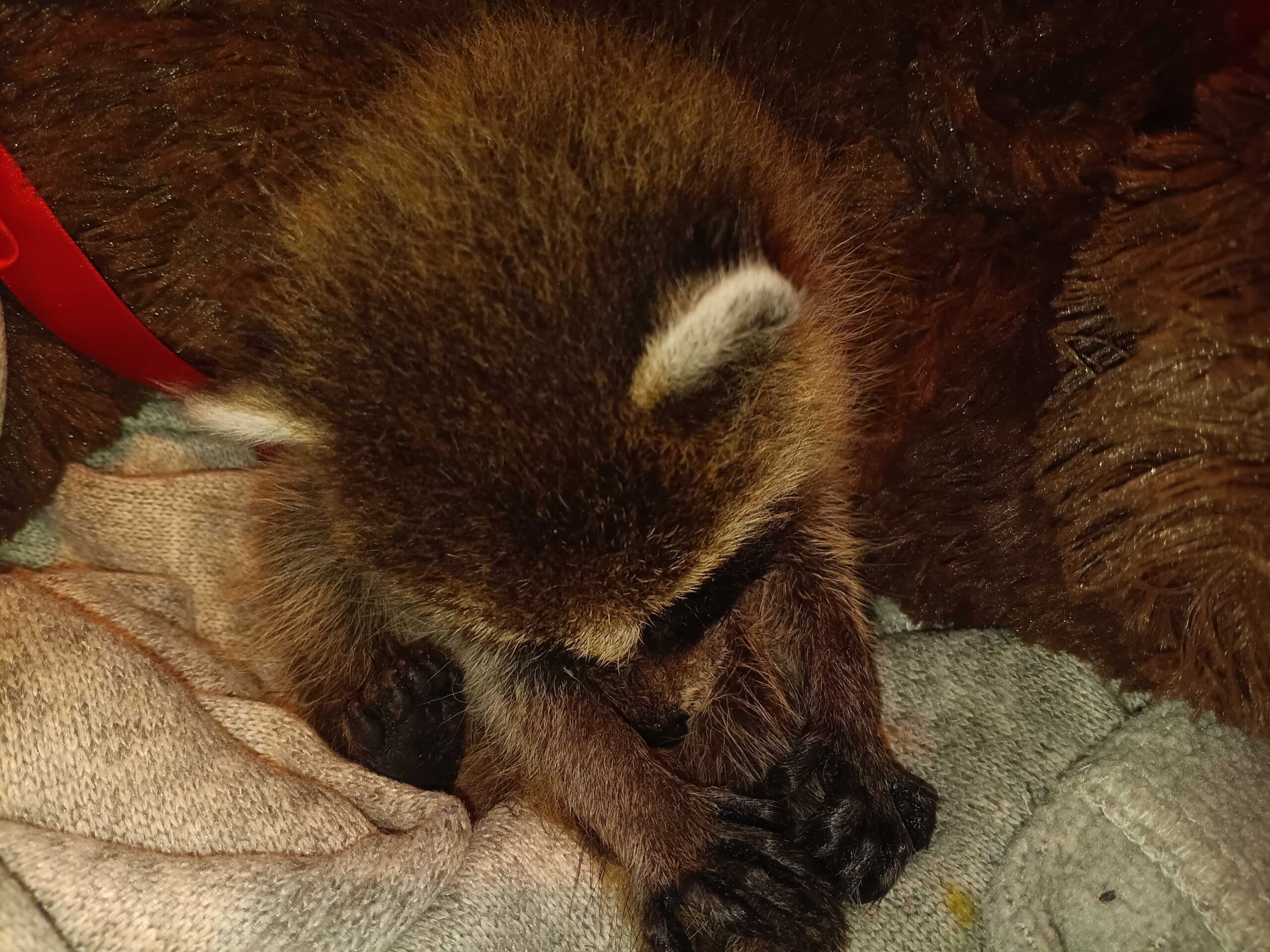
Raccoons
Highly intelligent and adaptable, raccoons frequently break into attics and tear apart trash cans in search of food and shelter.
Squirrels
These agile rodents can cause significant fire hazards by chewing through electrical wires and nesting in your insulation.
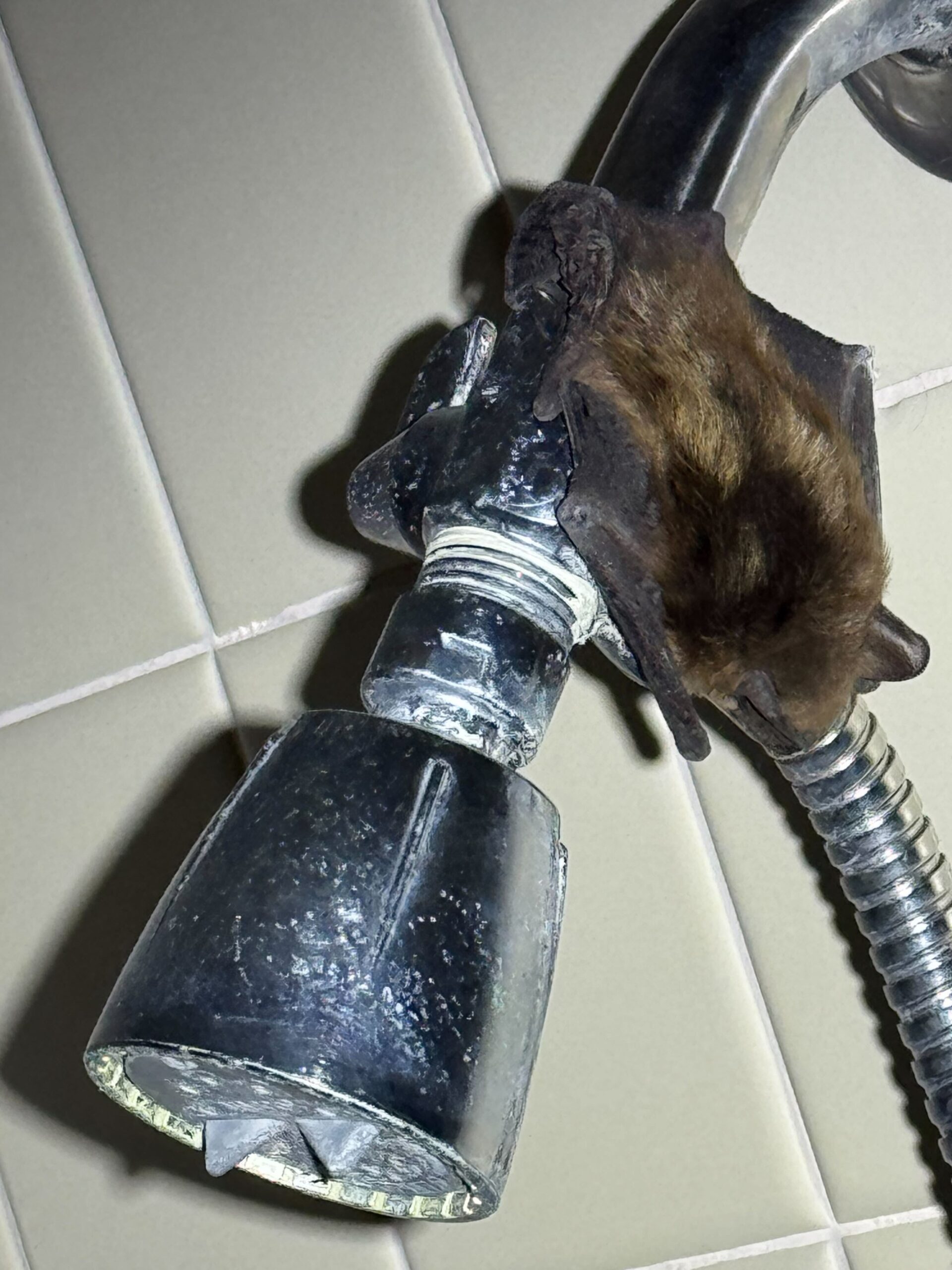
Bats play an important role in the environment by helping control insect populations, consuming thousands of mosquitoes, moths, beetles, and other flying insects each night. While they provide significant ecological benefits outdoors, bats become a serious concern when they establish a colony inside a home or business. An attic offers the warmth, shelter, and protection bats seek, making it an ideal roosting location. Once they move in, however, they can create extensive health hazards, unpleasant living conditions, and costly structural damage that should never be ignored.
One of the greatest dangers associated with a bat infestation is the accumulation of bat guano. Unlike ordinary animal droppings, bat guano can build up rapidly beneath active roosting areas. Large colonies may produce hundreds of pounds of waste over time, creating thick layers that soak into insulation, wood framing, drywall, and ceiling materials. As guano continues to accumulate, it produces strong odors that can spread throughout the home, reducing indoor air quality and making living spaces uncomfortable.
Bat guano also presents significant health concerns. As droppings dry, they can crumble into fine particles that become airborne when disturbed during cleaning, remodeling, or even normal attic airflow. Inhaling these contaminated particles may expose occupants to harmful microorganisms, including fungal spores capable of causing respiratory illnesses. Individuals with weakened immune systems, older adults, young children, and those with existing respiratory conditions may face an even greater risk of complications.
Urine produced by bats can be just as damaging as their droppings. Over time, urine saturates insulation and porous building materials, creating persistent odors that are difficult to eliminate without replacing contaminated materials. Moisture from urine can also encourage mold and mildew growth, further impacting indoor air quality while contributing to wood deterioration and staining on ceilings and walls.
A bat colony can quietly cause extensive structural damage over months or even years. As guano and urine continue to accumulate, the combined weight may compress attic insulation, drastically reducing its effectiveness and increasing heating and cooling costs. Wood framing, ceiling joists, drywall, and other structural components may absorb moisture, leading to staining, warping, decay, and premature deterioration. In severe infestations, large guano deposits can become heavy enough to place additional stress on ceiling materials, resulting in sagging or even collapse in extreme situations.
Bat infestations frequently attract secondary pests as well. Guano deposits provide an ideal food source for insects such as flies, beetles, cockroaches, and mites. These pests may eventually spread throughout the home, creating additional infestations that require separate treatment. Bat bugs, which closely resemble bed bugs, are another common concern. Once bats leave or are removed, these parasites often search for alternative hosts and may migrate into occupied living areas.
Many homeowners are surprised to discover how small an opening bats need to enter a structure. Tiny gaps around rooflines, soffits, fascia boards, vents, ridge caps, chimneys, flashing, and siding can provide easy access. Because bats are excellent climbers and skilled at locating sheltered entry points, they often return to the same roost year after year unless every potential access point is professionally sealed.
Attempting to remove bats without proper knowledge can create even bigger problems. Blocking entry holes while bats are still inside can trap them within the structure, causing them to search for alternate escape routes through walls, ceilings, or living spaces. Flightless young bats may also become stranded during maternity season if exclusions are performed at the wrong time, resulting in unnecessary animal deaths, stronger odors, and additional sanitation issues. In many areas, bats are protected wildlife, making improper removal both ineffective and potentially illegal.
Humane bat exclusion is widely recognized as the safest and most effective long-term solution. Rather than trapping or harming the animals, exclusion allows bats to leave the structure naturally through specially designed one-way devices while preventing them from re-entering. Once every bat has safely exited, all entry points are permanently sealed to stop future infestations without harming these beneficial animals.
Professional exclusion is only one part of a complete bat removal process. After the colony has been safely removed, contaminated insulation, guano, urine-soaked materials, and nesting debris should be carefully cleaned using appropriate protective equipment and specialized sanitation procedures. Thorough decontamination helps restore indoor air quality, reduces lingering odors, discourages secondary pests, and minimizes the risk of future health concerns.
Addressing a bat infestation as soon as the first signs appear can significantly reduce repair costs and prevent more serious damage. Common warning signs include scratching or rustling sounds after sunset, bats flying from the roofline at dusk, dark staining around exterior entry points, strong ammonia-like odors, and the presence of guano beneath roof edges or inside the attic. Acting early helps protect your home, your family’s health, and the structural integrity of your property while ensuring the bats are removed safely through humane exclusion methods.